

Rain May No Longer Be A Four Letter Word For Those In The Southwest
While forecasters are reluctant to openly express their optimism, most agree they are seeing signs that indicate La Niña, the steering mechanism largely responsible for extreme heat and dry conditions last year, is beginning to fade, and with it the return of more normal rainfall amounts through winter, and possibly into the spring and summer.
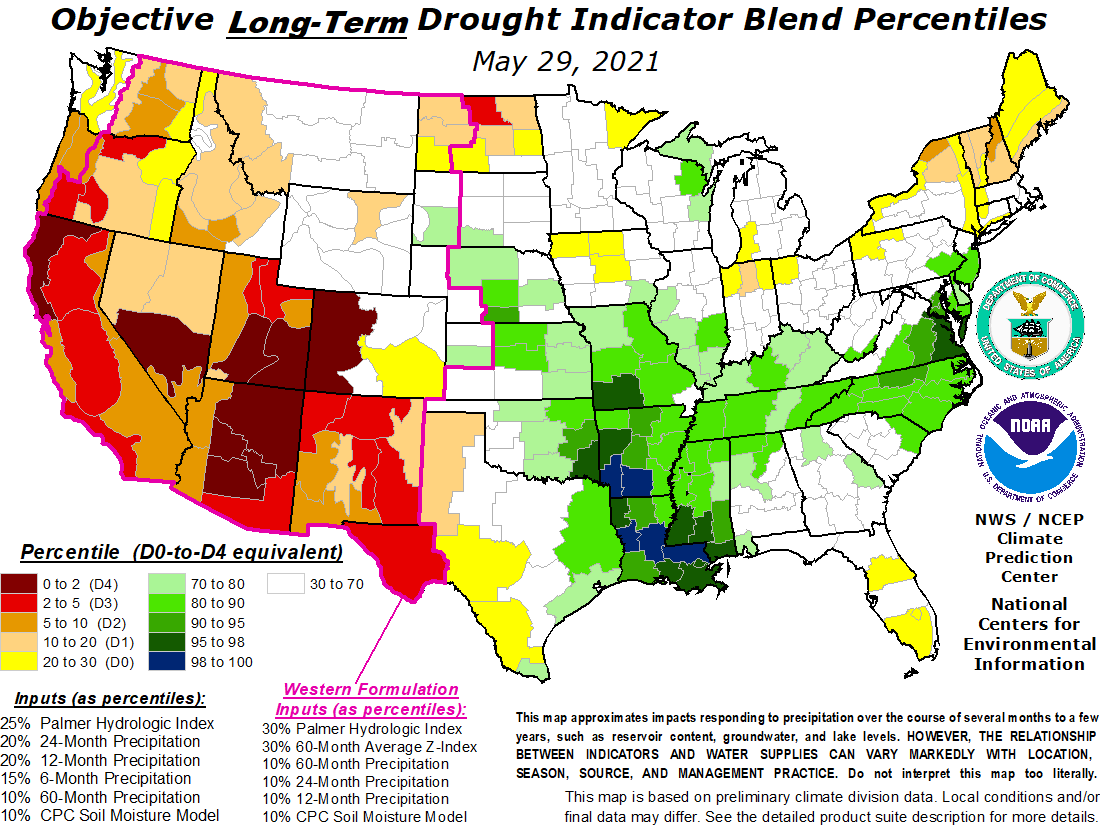 “The National Weather Service Climate Prediction Center is now calling for closer to normal conditions across parts of the Southwest, but in spite of signs that La Niña is faltering, we can expect atmospheric circulation to stick around into summer,” said Gary McManus, associate state climatologist, Oklahoma Climatological Survey.
McManus said large areas across Oklahoma and Texas have received substantial winter rains which, in some cases, have helped soil moisture conditions to improve. If that trend continues, there should be ample moisture in the ground to get a good crop planted.
The same is true for livestock producers who have seen winter forage flourish as a result of winter rain. Large areas across eastern Texas and Oklahoma and areas along the Gulf coast, pastures have greened up for the first time since early last year.
For most of Western Oklahoma, Southern New Mexico and most of Texas, including the Coastal Bend and the high plains, more water is needed in spite of recent rains. Cotton growers near Corpus Christi say another 12 to 15 inches of rain are needed to return the area to pre-drought conditions.