

Castros Death, Trumps Election, Create Questions
The death of Fidel Castro in November began a conversation about what’s next in the relationship between the U.S. and Cuba—a conversation that’s important to agriculture.
And, the timing of Castro’s death raises questions about whether it will influence President-elect Trump’s policies toward the island.
Robert Crain, senior vice president and general manager for the Americas at AGCO Corp., said Trump’s approach is “going to be the biggest question that has to be answered. It remains to be seen where he comes out. His presidency is going to have more of an impact on what happens to Cuba than Fidel Castro’s death.”
The U.S. Trade and Economic Council expects Trump to increase enforcement of existing regulations.
To be sure, not all U.S. companies are keen on Cuba, at least while it remains a communist state. Castro’s death was “very bittersweet,” said Leonor Gavina Walls, a vice president for coffee roaster Gavina & Sons Inc., in Vernon, Calif. The company was founded by her family, who fled Cuba after Castro took power in 1959.
“Our policy is that as long as Cuba is not free, we wouldn’t do any business there,” Walls said.
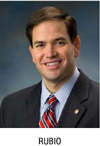 A statement issued by U.S. Senator Marco Rubio (R-Fla.) framed the issue. The dictator has died, he said, but the dictatorship has not.
“The future of Cuba ultimately remains in the hands of the Cuban people,” Rubio said, “and now more than ever, Congress and the new administration must stand with them against their brutal rulers and support their struggle for freedom and basic human rights.”
One thing is clear, Rubio said: “History will not absolve Fidel Castro; it will remember him as an evil, murderous dictator who inflicted misery and suffering on his own people.”
Sources: Bloomberg, Rubio