

Sentry Insurance Offers Safety Resources For Members
Sentry Insurance, the Association’s exclusive Endorsed insurance provider, is committed to helping farm equipment manufacturers develop and enhance their safety programs.
Sentry has developed a series of Sentry Solutions that addresses farm equipment manufacturers’ most common exposures. Each Solution offers information to help face these unique challenges, while minimizing risks and reducing loss. To obtain additional copies of this valuable resource and learn how Sentry can help your business succeed, contact Bob Bonifas at (715) 346-6985 or bob.bonifas@sentry.com.
 Sentry Solutions:
Manual Material Handling
| Material-handling demands in today’s manufacturing plants are very diverse, but typically include a combination of lifting, handling and moving of raw materials, in-process materials and finished products.
To aid in manual material-handling safety, Sentry Insurance has identified the following risk factors:
|
To avoid an increased risk of injury from these and other factors, Sentry’s recommendations focus on evaluation, action, lifting and handling material, carrying objects, and administrative approaches.
Evaluation
|
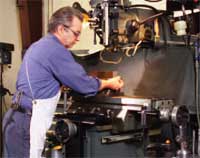
| Train employees to recognize the physical hazards and characteristics of the materials they will be handling – weight, surface finish, sharp corners, etc. Heightened awareness to these factors will keep sharp edges and burrs, slippery finishes, or awkward shapes and content from taking the employee by surprise, which could result in an injury or dropped/damaged materials. |
Action:
- Develop a policy statement on lifting safety and back injury prevention.
- Train staff on the proper lifting and material-handling practices.
- Define a standard proposal format as part of your lifting and material-handling procedures that will support all recommendations for procedural, workstation and equipment changes.
- Transfer material-handling demands to a vendor/supplier when available and cost-efficient.
- Use mechanical devices when possible.
- Provide adequate storage, appropriate housekeeping and floor maintenance throughout all areas of the plant to ensure trip and fall hazards do not occur.
- Consider the impact on downstream departments as changes in material flow/handling are made in one area.
- Immediately discuss noticeable discomfort or pain exhibited by an employee and document its cause.
- Conduct a Job Safety/Hazard Analysis (JS/HA) to identify the highest hazard tasks and appropriate solutions for those job tasks that require intensive product/parts-handling requirements.
- Use appropriate Personal Protective Equipment (PPE) as part of the JS/HA process when materials handled or lifted present a recognized risk of injury.
- Place the heaviest or most frequently lifted items within your average employee’s strike height (mid-thigh to lower chest) when organizing objects or materials on storage racks or shelving. Keep lighter objects at floor-level and above chest height.
- Reinforce the proper procedures if employees continue to make improper lifts.
- Consider transferring a physically demanding lift to mechanized lift-assist equipment.
- Keep the weight of objects lifted to a reasonable level. Restrict lifting by one person to no more than 50 pounds.
- Train employees to recognize the physical hazards and characteristics of the materials they will be handling, including weight, surface finish and sharp corners.
- Empower staff to manage their own personal health and well-being.
- Remind employees of their ability and responsibility to maintain appropriate weight and physical fitness.
Manual Lifting & Material Handling:
- Train employees to follow these recommended lifting procedures:
- Assess personal lifting capability.
- Avoid lifting from the floor.
- Do not twist or rotate at the waist while lifting.
- Maintain good posture.
- Be sure floor is clean and dry.
- Stabilize rolling ladders, lift trucks or order picker units when accessing materials located in elevated racks or shelving.
Carrying or Moving Objects Horizontally:
- Use mechanical aids instead of manually moving objects from one point to another.
- Organize workstation layouts to minimize distances materials are to be moved.
- Design stations for pushing rather than pulling when moving objects on a surface.
Administrative Approaches:
Supplement efforts to prevent back injuries by adopting administrative approaches, including the following:
- Job rotation
- Job enlargement
- Employee wellness, exercise and stretching programs
Please visit Sentry.com for more information on reducing risks associated with your business.